Optimal Timing for Mole Extermination
Understanding the optimal timing for mole extermination can significantly increase effectiveness. Moles are most active during certain periods, which influences when treatments should be applied for best results.
Moles tend to be highly active in spring when the soil warms up and moisture levels are ideal for tunneling.
These seasons also see increased mole activity, making them prime times for effective extermination efforts.
During winter, moles become less active due to colder temperatures and frozen ground, reducing the effectiveness of extermination methods.
Timing treatments after periods of rain or irrigation can enhance mole activity, improving the chances of successful removal.
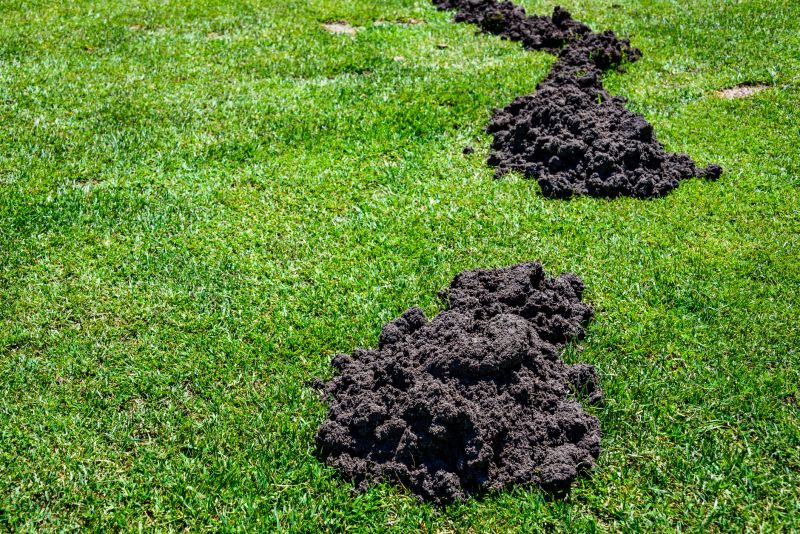
A close-up of active mole tunnels showing fresh soil disturbances.
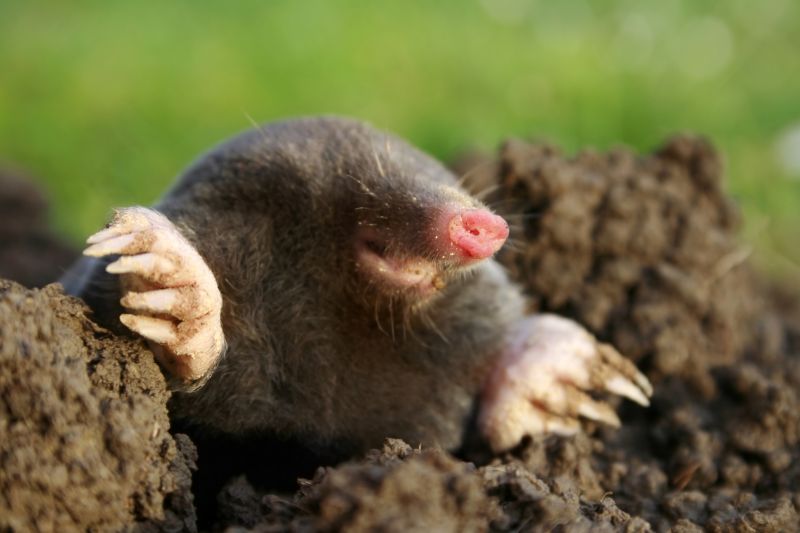
Moist and soft soil ideal for mole activity during spring.

Specialized equipment used for mole removal and control.
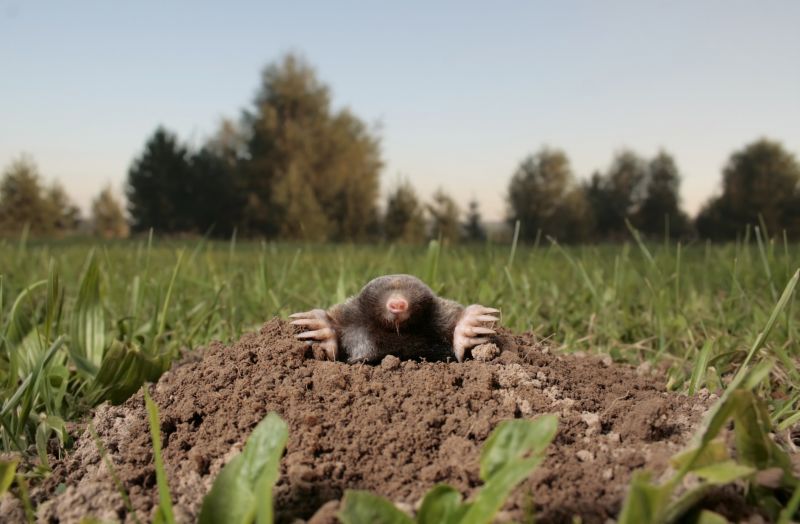
Ways to make Mole Extermination Service work in tight or awkward layouts.

Popular materials for Mole Extermination Service and why they hold up over time.
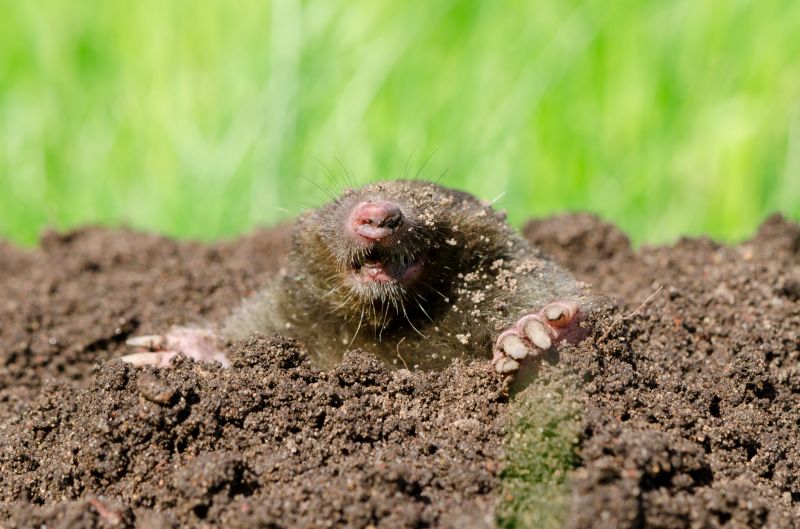
Simple add-ons that improve Mole Extermination Service without blowing the budget.
| Season | Ideal Timing for Mole Extermination |
|---|---|
| Spring | Peak mole activity; best time for effective treatment. |
| Summer | High activity; suitable for mole control efforts. |
| Fall | Continued activity; effective for pre-winter control. |
| Winter | Low activity; less effective for extermination. |
Mole extermination services are designed to address tunneling pests that can cause extensive damage to lawns, gardens, and landscapes. Moles are subterranean mammals that feed primarily on earthworms and insects, creating underground tunnels that disrupt soil integrity. Effective control involves understanding their activity patterns, which vary seasonally. Treatments often include trapping, baiting, and soil disturbance methods tailored to the mole’s active periods. Proper timing ensures higher success rates and minimizes the need for repeated interventions. Regular monitoring and professional assessments can help determine the best times to implement control measures, reducing mole populations efficiently.
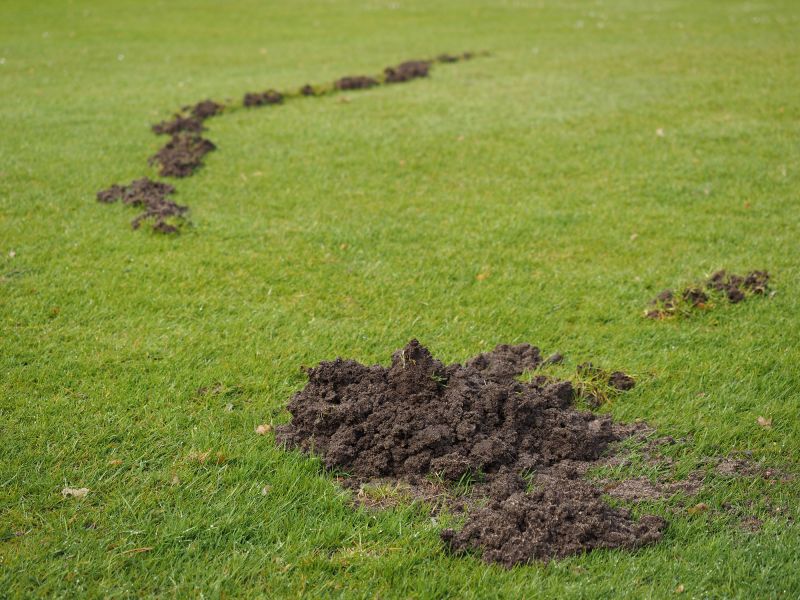
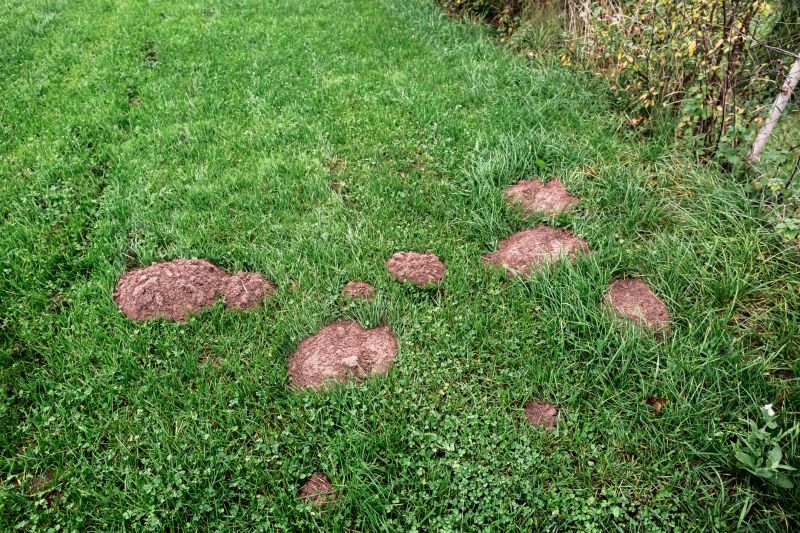
Lawn damage caused by tunneling activity.
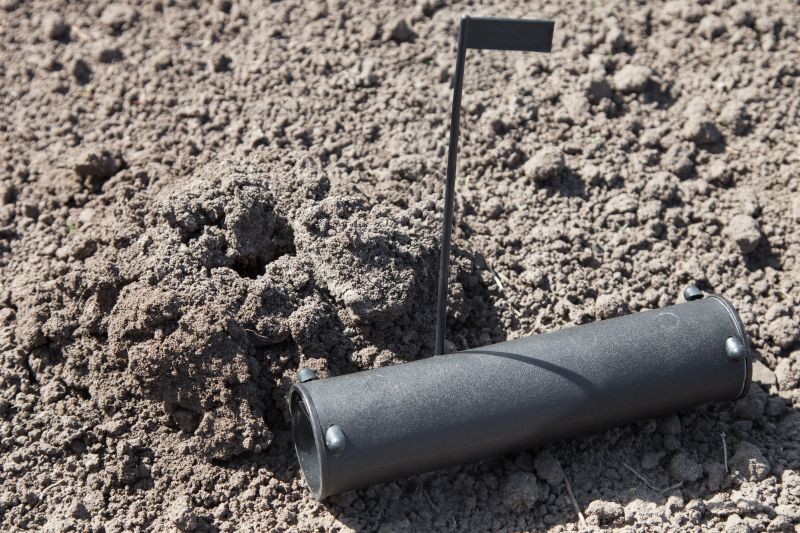
Tools used for mole trapping and removal.
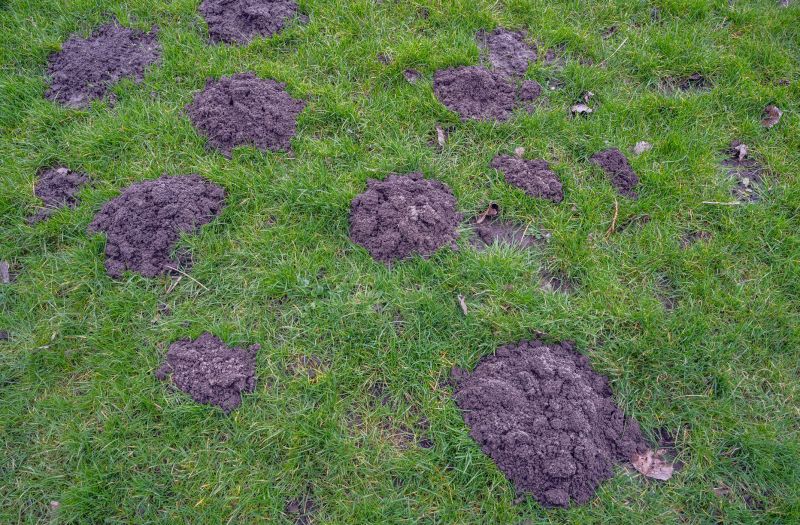
Signs of mole activity on the lawn surface.
A well-maintained lawn free of mole tunnels.
Interested individuals seeking effective mole control are encouraged to contact for assessments and tailored treatment plans. Proper timing and professional intervention can significantly reduce mole activity, restoring the health and appearance of lawns and gardens.